
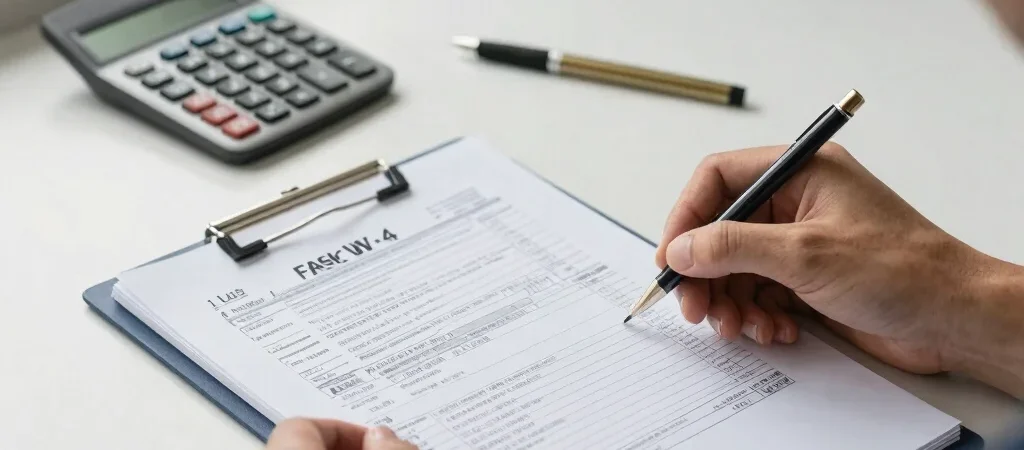
The surprise often arrives when a worker files a return and learns that paycheck withholding did not cover the full tax bill. Withholding is a series of payments toward an eventual tax liability, not a final calculation of what someone owes. A change in income or circumstances during the tax year can leave those payments out of step.
When The Old Form No Longer Fits
A new job, a second job or a change in a household’s income can affect how much is withheld from each paycheck. The information on Form W-4 helps an employer calculate federal income tax withholding, so an outdated form may no longer reflect the worker’s situation. State withholding rules and forms are separate and can vary.
Side Income Needs Attention
Freelance work, investment income and other earnings may not have the same withholding that appears on a regular paycheck. Depending on the circumstances, a taxpayer may need to review estimated payments as well as workplace withholding. The timing and amount depend on the person’s income and applicable tax rules, so a headline or a rule of thumb cannot settle every case.
Check During The Tax Year
Reviewing recent pay stubs and current income before year-end can reveal a mismatch while there is still time to ask questions or update withholding. The IRS Tax Withholding Estimator is one tool for federal withholding, but it does not replace advice tailored to a complicated situation. Tax rules can change, so confirm the relevant tax-year guidance before acting.